Minimally Invasive Cavity Treatment for Kids
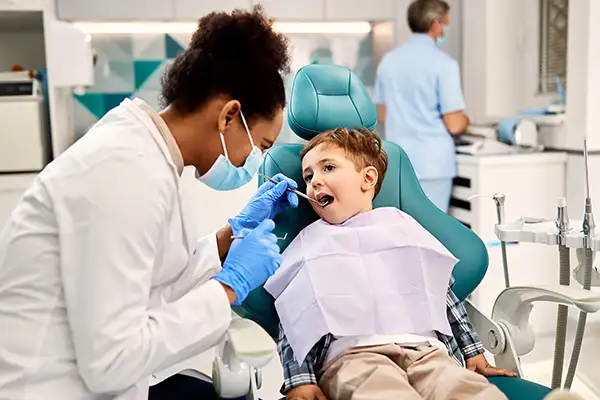 If your child has an early cavity or you were told “there’s a spot to watch,” minimally invasive cavity treatment for kids focuses on catching decay early and protecting the tooth with the gentlest effective approach. In many cases, early enamel changes can be strengthened or stabilized without drilling. When decay has created a true hole in the tooth, a small restoration may still be needed, but modern techniques aim to preserve as much healthy tooth structure as possible while keeping the visit child-friendly and low-stress. If your child has an early cavity or you were told “there’s a spot to watch,” minimally invasive cavity treatment for kids focuses on catching decay early and protecting the tooth with the gentlest effective approach. In many cases, early enamel changes can be strengthened or stabilized without drilling. When decay has created a true hole in the tooth, a small restoration may still be needed, but modern techniques aim to preserve as much healthy tooth structure as possible while keeping the visit child-friendly and low-stress.
Quick Answer: What Minimally Invasive Cavity Treatment Means for Kids
Minimally invasive dentistry for children is a conservative approach to cavities that prioritizes early detection, stopping progression, and preserving healthy tooth structure. Instead of treating every suspicious area with drilling, the dental team evaluates risk and the stage of decay, then chooses the least aggressive option that can keep the tooth healthy.
The main goal is to address decay as early as possible, when the tooth surface may still be intact. That is when “no drill” or “less drilling” options are most likely to work. Whether drilling is avoidable depends on the cavity’s size, location, and how well your child can cooperate for the recommended treatment.
A helpful way to think about stages is:
| • |
Early/incipient lesion (white spot) - The enamel is weakened but not broken. This stage may be reversible or stabilizable with remineralization and prevention.
|
| • |
Small cavitated lesion (small hole) - The surface has broken. This stage usually needs a restoration to seal the tooth, even if the treatment is small and conservative.
|
| • |
Larger/deeper cavity - The decay is closer to the nerve. This stage may require more involved treatment to prevent pain and infection. |
In minimally invasive care, some cavities can be arrested (stopped) and monitored, while others need a restoration to keep the tooth strong and comfortable. Treatments commonly used in gentle cavity treatment for children include remineralization therapies, silver diamine fluoride (SDF), sealants, preventive resin restorations, and minimal fillings when necessary.
Why Kids Get Cavities and Why Early Treatment Matters
Cavities are common in childhood because teeth and daily routines are still developing. Even families with good brushing habits can run into trouble due to diet frequency, enamel differences, and hard-to-clean tooth anatomy. Common reasons kids get cavities include:
| • |
Frequent snacking or sipping - Repeated exposure to sugars and starches gives mouth bacteria more chances to produce acid.
|
| • |
Sugary or acidic drinks - Juice, sports drinks, flavored milk, soda, and frequent sweetened drinks can increase risk, especially when sipped over time.
|
| • |
Plaque buildup - Plaque left on teeth feeds bacteria that create acid and weaken enamel.
|
| • |
Deep grooves on molars - Back teeth often have pits and fissures that trap food and bacteria.
|
| • |
Inadequate fluoride exposure - Fluoride helps enamel resist acid and supports remineralization.
|
| • |
Enamel weakness or higher-risk biology - Some children have enamel that is more vulnerable, less protective saliva flow, or a stronger cavity history in the family. |
Parents often wonder, “We brush, so why cavities?” Brushing is essential, but cavities can still happen when risk factors stack up, such as frequent snacks, tight contacts between teeth (where brushing can’t reach), deep grooves, or missed fluoride support.
Baby teeth matter. They help with chewing and speech, and they maintain space and guide adult teeth into position. Treating early disease in baby teeth is also about preventing pain, infection, and stress later.
Early treatment matters because cavities can progress faster in kids. Children’s enamel is thinner, and the nerve space inside teeth is relatively larger, meaning a cavity may reach sensitive areas sooner than parents expect. Addressing decay early often keeps care more conservative and comfortable.
A child’s risk is individual and can be assessed using factors like diet patterns, cavity history, oral hygiene habits, fluoride exposure, saliva and dryness, and tooth anatomy.
How Dentists Detect Early Cavities Without Overtreating
Conservative pediatric dentistry starts with careful diagnosis. The goal is to find problems early while avoiding unnecessary drilling. A minimally invasive evaluation typically combines:
| • |
Visual exam - The dentist looks for white spots, staining patterns, plaque retention areas, and signs of enamel breakdown.
|
| • |
Risk assessment - Diet frequency, past cavities, home care routine, fluoride exposure, and medical factors help guide whether monitoring or treatment is best.
|
| • |
Bitewing X-rays - These images are important for detecting cavities between teeth and under the surface where early decay can hide.
|
| • |
Photos and monitoring - In some cases, pictures and measurements help track whether a spot is improving, stable, or progressing. |
Many parents ask why X-rays are recommended. Cavities often start between teeth where you cannot see them directly. Bitewings help detect those areas before they become larger problems. Pediatric dental offices use child-sized settings and protective measures, and the dental team recommends images based on age, risk, and clinical findings.
You may also hear two approaches that can both be appropriate depending on the situation:
| • |
Watching - Monitoring an early, non-cavitated area while strengthening enamel and improving risk factors can be a safe plan when follow-up is reliable.
|
| • |
Treating now - Active lesions, higher-risk children, or areas likely to progress may benefit from immediate conservative treatment to stop decay early. |
The final plan depends on the stage of decay, tooth type (baby vs permanent), location (between teeth vs grooves vs near the gumline), your child’s age, and cooperation level.
Minimally Invasive Treatment Options for Kids
Minimally invasive cavity care generally falls into three categories: remineralize (strengthen early enamel changes), arrest (stop active decay), and restore minimally (place the smallest effective restoration when the tooth surface is broken). Not every method fits every child or every cavity, and the most important factor is whether the tooth surface is still intact or has become a hole.
| • |
Remineralize - Best for early “white spot” areas where enamel is weakened but not broken.
|
| • |
Arrest - Best for certain active cavities where stopping progression quickly is the priority, sometimes as part of a staged plan.
|
| • |
Restore minimally - Best when a cavity is cavitated or structurally compromised and needs sealing and reinforcement. |
Remineralization for Early “White Spot” Areas
Early decay often starts as a chalky white spot where minerals have been pulled from enamel by repeated acid exposure. At this stage, the enamel may be weakened but still intact. With the right plan, these areas can sometimes be strengthened, stabilized, and kept from turning into a cavity that needs a filling.
Common remineralization strategies include:
| • |
Fluoride varnish - A professional coating that strengthens enamel and supports mineral repair in early lesions.
|
| • |
Age-appropriate toothpaste guidance - The dental team may recommend specific fluoride toothpaste amounts and routines based on your child’s age and risk.
|
| • |
Diet changes that reduce acid attacks - Frequency often matters more than the total amount of sugar. Reducing “grazing” and sipping helps enamel recover.
|
| • |
Improved brushing technique and plaque control - Better plaque removal helps stop the cycle of acid exposure on vulnerable spots. |
Remineralization is different from a filling. A filling repairs a hole by replacing lost tooth structure with a restorative material. Remineralization aims to strengthen enamel before it breaks down.
Practical examples that often help early cavity treatment in kids include switching to water between meals, limiting frequent snacks, and brushing after the last snack of the day. For children who snack often at school or daycare, a realistic plan may focus on reducing sticky foods, choosing less frequent sweet snacks, and improving brushing and fluoride support at home.
Silver Diamine Fluoride (SDF) to Stop Cavities
Silver diamine fluoride for kids is one of the most searched “no drill” options because it can arrest certain cavities by killing bacteria and hardening softened tooth structure. It is often used for young children, anxious children, children with special healthcare needs, or situations where delaying drilling is beneficial.
SDF is commonly considered when:
| • |
A cavity is active and needs to be stopped quickly - Especially when the cavity is small-to-moderate and the goal is to prevent progression.
|
| • |
Cooperation is limited - SDF is fast and does not require drilling.
|
| • |
A staged plan makes sense - Stop the cavity now, then restore later if needed for function or appearance.
|
| • |
There are multiple cavities - SDF may help control disease while improving home care and prevention. |
The main tradeoff is appearance. SDF often darkens the treated cavity area, especially where the tooth structure is already decayed and porous. Healthy enamel typically does not stain the same way. Because staining is more noticeable on front teeth, the dental team will discuss whether SDF is a good fit for the location and your family’s priorities.
What your child may experience in the chair is usually simple: the area is isolated and dried, SDF is painted on briefly, and the taste can be noticeable but quick. Follow-up matters. Arrest is confirmed by checking whether the area becomes hard and stable, and reapplication may be recommended depending on risk and the tooth’s response.
If coverage questions come up, benefits vary by plan and region, and SDF coding and reimbursement can differ. A dental office can explain how SDF is handled for your child’s situation and what options exist.
Sealants and Preventive Resin for Grooves and Early Lesions
Dental sealants protect the deep grooves on molars where cavities often start. Sealants act like a shield that blocks bacteria and food from getting trapped in pits and fissures. In some cases, a sealant can also help protect an early, non-cavitated groove lesion.
A related option is a preventive resin restoration (PRR), which treats a very small defect with minimal tooth removal and then seals the rest of the grooves. PRR is often used when a tiny area needs repair but most of the biting surface is healthy.
Key points parents often want to know:
| • |
Ideal timing - Soon after permanent molars erupt is a common time to consider sealants, especially for cavity-prone children.
|
| • |
Comfort - Sealants are typically fast and comfortable because they usually do not require drilling or numbing.
|
| • |
Longevity - Sealants can last for years, but they should be checked at regular visits because they can wear or chip over time. |
Air Abrasion and Micro-Preparations
Air abrasion dentistry for kids uses a focused stream of tiny particles to remove decay in select situations. For certain small cavities, it can reduce the vibration and noise associated with traditional drilling, which may help some children tolerate treatment more comfortably.
Air abrasion is often best suited for small cavities in specific locations, typically on biting surfaces where access and isolation are manageable. Limitations matter. It is not ideal for very deep cavities, extensive decay, or situations where the tooth needs more traditional preparation for strength and sealing.
What a child may notice is usually a sensation of air and mild vibration rather than the typical “drill feel.” The dental team uses protective measures such as isolation and suction to manage particles and keep the area clean.
Laser Dentistry for Children
Laser dentistry for children may be used for some cavity preparations and certain soft-tissue procedures. Potential benefits can include less vibration and more targeted removal, and in some small cases it may reduce the need for anesthesia. Suitability depends on the cavity’s location, depth, and the child’s comfort level.
Realistic expectations are important. Lasers are not used for every cavity, and some teeth still require traditional instruments or anesthesia to ensure comfort and a durable result. The sound and sensation are often different from a drill, which some kids find easier, but the best choice depends on the specific tooth and lesion.
Minimal Fillings When a Restoration Is Necessary
Minimally invasive care still includes fillings when they are the healthiest choice. If decay has created a hole (cavitation), the tooth usually needs a restoration to seal the area, protect the structure, and reduce the chance the cavity grows deeper.
Modern, child-friendly restorations focus on:
| • |
Smallest effective repair - Removing only damaged tooth structure while preserving healthy enamel.
|
| • |
Strong sealing - Preventing bacteria from re-entering the tooth is a major goal of successful restorations.
|
| • |
Material selection - Tooth-colored fillings are common, but the best material depends on the tooth, the size of the cavity, bite forces, and moisture control. |
In general, “just watching” a cavitated lesion can allow it to enlarge, increasing the chance of discomfort and more complex treatment. Quality restorations often depend on keeping the tooth dry during placement. The dental team may use isolation methods such as cotton rolls, suction, or a rubber dam when appropriate for your child and the procedure.
Choosing the Right Option: What Determines the Best Treatment
Parents feel more confident when the plan makes sense. For gentle cavity treatment options to work, the dental team matches the method to the stage of disease, the tooth, and the child.
Key decision factors include:
| • |
Stage of decay - Early (white spot) vs cavitated (hole) vs deep (closer to the nerve).
|
| • |
Tooth type - Baby teeth vs permanent teeth, and molars vs front teeth.
|
| • |
Location - Between teeth, on the biting surface, or near the gumline can change what is possible without drilling.
|
| • |
Child factors - Age, anxiety, sensory tolerance, and ability to sit still for a procedure.
|
| • |
Risk level - Past cavities, diet patterns, enamel quality, and home care consistency affect whether conservative options are likely to succeed. |
Mini scenario examples that show how decisions can differ:
| • |
Early white spot on a front tooth - A remineralization plan with fluoride support, improved plaque control, and diet-frequency changes may stabilize the area.
|
| • |
Small biting-surface lesion on a molar - A sealant, PRR, air abrasion, or a minimal filling may be recommended depending on whether the surface is intact.
|
| • |
Active cavity in a toddler - SDF may be used to arrest decay quickly, with a follow-up plan to monitor and decide whether restoration is needed later. |
What to Expect at a Minimally Invasive Cavity Visit
A conservative cavity visit is designed to keep kids comfortable and help them feel successful. Many pediatric-focused practices use a child-friendly approach such as tell-show-do, positive reinforcement, and clear, simple expectations.
Common comfort strategies may include:
| • |
Topical anesthetic - A flavored gel that helps numb the surface before any injection (if an injection is needed at all).
|
| • |
Distraction - Music, video, conversation, or small breaks can help children who feel overwhelmed.
|
| • |
Short, predictable steps - Explaining what comes next in kid-friendly language helps reduce fear of the unknown.
|
| • |
Parental involvement when helpful - Depending on the child and the procedure, a parent’s presence can support calm and cooperation. |
What the appointment feels like depends on the treatment. Fluoride varnish often feels like a sticky coating and may have a mild taste. SDF is painted on quickly and may taste different for a moment. Sealants involve cleaning and drying the tooth, then placing a protective coating that hardens. Minimal fillings may involve numbing, gentle preparation, and careful isolation to keep the tooth dry.
Aftercare guidance also varies:
| • |
After fluoride varnish - The dental team may recommend waiting before brushing and following specific eating/drinking instructions for the day.
|
| • |
After SDF - Normal activities often resume quickly, with follow-up to confirm the cavity is arrested.
|
| • |
After sealants - Chewing usually feels normal; sealants are checked at future visits for wear.
|
| • |
After a filling - Some children may notice temporary sensitivity or a “different bite” sensation that should be assessed if it does not settle. |
Safety, Comfort, and Parent FAQs
FAQs
Is it safe to use fluoride on kids’ teeth?
When used appropriately, fluoride is widely used in pediatric dentistry to strengthen enamel and reduce cavity risk. Professional fluoride varnish is applied in small amounts, and at-home guidance is tailored to a child’s age and risk level. The dental team at Arlington Pediatric Dentistry can recommend the right toothpaste amount and routine for your child’s needs.
Does SDF hurt, and will the tooth look different?
SDF application is typically painless because it does not involve drilling. The main downside is appearance: SDF often darkens the decayed area it treats. This staining is most noticeable where a cavity is already present, while healthy enamel usually does not stain the same way. The dental team can explain where staining may show and whether SDF fits your child’s tooth and priorities.
Can early cavities really be reversed?
Some early lesions can be stabilized or improved when the tooth surface is still intact. These areas often look like white spots and may respond to fluoride support, better plaque removal, and diet-frequency changes. Once the enamel breaks and a hole forms, the tooth usually needs a restoration to seal and protect it.
When is drilling unavoidable?
Drilling is more likely to be needed when a cavity is cavitated (a true hole), when decay is deep or spreading under the surface, or when the tooth needs a strong seal to prevent progression. Even then, minimally invasive restorative techniques aim to remove only damaged tooth structure and preserve healthy enamel whenever possible.
What if my child is very anxious or has special healthcare needs?
Treatment can be adapted to support comfort and safety. Options may include shorter visits, desensitization approaches, added comfort strategies, and conservative methods such as SDF when appropriate. The best plan depends on your child’s medical history, sensory needs, and the urgency and stage of the cavity.
Will my child need numbing medicine?
Not always. Remineralization treatments, SDF, and sealants often do not require numbing. For restorations, numbing may be recommended to keep your child comfortable. The dental team can explain what your child will feel and which comfort options are appropriate for the specific procedure.
How do you prevent the cavity from coming back?
Prevention focuses on reducing plaque and acid exposure and strengthening enamel. This typically includes consistent brushing with fluoride toothpaste, flossing for tight contacts, limiting frequent snacks and sugary drinks, and professional prevention such as fluoride varnish and sealants when appropriate. Follow-up visits help confirm stability and catch any new areas early.
What are red flags that need prompt evaluation?
Pain that wakes a child up, facial swelling, lingering sensitivity, visible pimple-like bumps on the gums, fever, or a broken tooth should be evaluated promptly. These signs can indicate deeper decay or infection that may require more than preventive treatment.
Preventing Cavities After Treatment
Preventing new cavities is a big part of minimally invasive pediatric dentistry, because conservative treatments work best when the overall risk level improves. The most effective prevention plan is consistent and realistic for your family.
Core habits that help prevent cavities in children include:
| • |
Brushing routine and supervision - Young children usually need hands-on help to clean thoroughly, especially along the gumline and molars.
|
| • |
Fluoride toothpaste guidance - Using the right amount for age and risk supports stronger enamel.
|
| • |
Flossing for between-teeth protection - Tight contacts are a common site for cavities; flossing targets what toothbrushes miss.
|
| • |
Diet frequency control - Fewer snack and sip events mean fewer acid attacks.
|
| • |
Water habits and bedtime routine - Avoiding milk or juice at bedtime unless teeth are cleaned afterward reduces overnight risk.
|
| • |
Professional prevention - Regular checkups, fluoride varnish, and sealants can reduce future cavities, especially for higher-risk kids. |
A simple “high-risk habits” checklist many parents recognize:
| • |
Frequent grazing - Snacks spaced all day with little “tooth rest” time.
|
| • |
Sippy cup or bottle habits beyond meals - Especially with sweetened drinks or milk overnight.
|
| • |
Sticky snacks - Gummies, crackers, granola bars, and dried fruit that cling to grooves and between teeth.
|
| • |
Inconsistent brushing - Missing the last brush of the day or rushing through back teeth.
|
| • |
No flossing with tight contacts - Common when molars touch closely and food packs between them. |
For picky eaters and school lunch realities, prevention often improves by focusing on what is most practical: fewer frequent sweet snacks, choosing water more often, and building a consistent bedtime brushing routine with adult help.
When to Call a Pediatric Dentist
Online research helps, but cavities are best confirmed and staged with an exam and, when appropriate, X-rays. A pediatric dental evaluation can identify whether an area is an early white spot that can be strengthened, a small cavitated lesion that needs a minimal restoration, or a deeper cavity that needs prompt care.
Signs that often justify an evaluation include:
| • |
Visible white, brown, or dark spots - Especially if the area seems to grow or collect plaque.
|
| • |
Sensitivity - Complaints about cold, sweets, or chewing that persist.
|
| • |
Food getting stuck - Repeated packing between teeth or in molar grooves.
|
| • |
Pain - Any ongoing tooth pain, especially if it affects sleep.
|
| • |
Swelling - Gum or facial swelling, or a pimple-like bump on the gums.
|
| • |
Broken or crumbling tooth edges - Enamel breakdown can indicate cavitation.
|
| • |
Persistent bad breath - When it does not improve with brushing and flossing. |
Children with multiple risk factors or a history of cavities often benefit from earlier assessment because minimally invasive options are most effective when decay is caught early. Treatment recommendations depend on the exam findings and may include X-rays to assess between-teeth areas and the depth of decay.
Next Steps for a Cavity Evaluation
A cavity evaluation focused on minimally invasive cavity treatment for kids usually includes a gentle exam, risk assessment, and discussion of what the findings mean in plain language. Depending on your child’s age and cavity risk, bitewing X-rays may be recommended to check between teeth and under the surface where early decay can be hidden.
After the evaluation, families typically receive:
| • |
A clear explanation of the stage of decay - Whether the tooth is in an early, intact stage or cavitated and in need of restoration.
|
| • |
Conservative options when appropriate - Remineralization, SDF, sealants, PRR, air abrasion, laser use in select cases, or minimal restorations.
|
| • |
A prevention plan matched to your child - Home-care routines, diet-frequency strategies, and professional prevention tailored to risk level.
|
| • |
Follow-up recommendations - Monitoring intervals and re-checks that confirm stability and catch changes early. |
At Arlington Pediatric Dentistry, the focus is typically on helping kids feel comfortable, explaining choices in a parent-friendly way, and choosing the least aggressive option that still protects the tooth’s long-term health. |